








PODCAST: Why Lyme recovery stalls — and how healing can restart
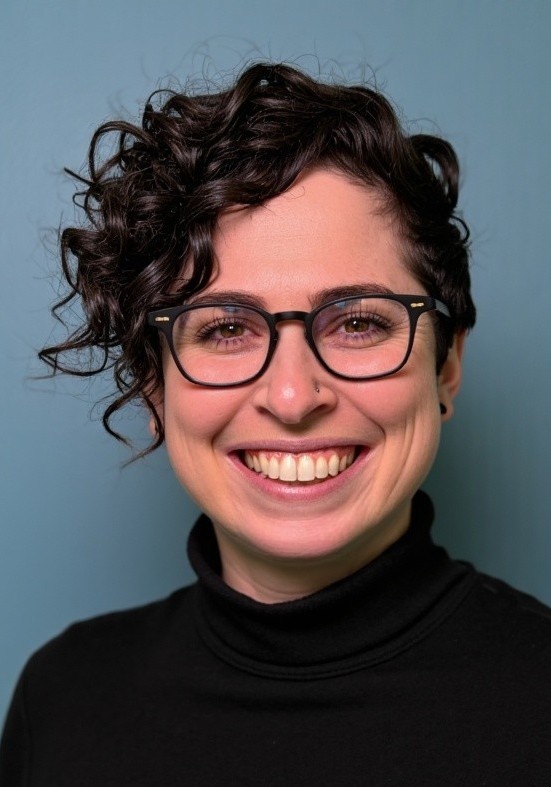
By Fred Diamond
Many Lyme survivors have told me about their journey to discover the root cause of their inability to heal from chronic Lyme disease.
Most have completed rigorous treatment yet struggle to work or resume normal life, even after being told their labs are normal or that their infections have been “adequately addressed.”
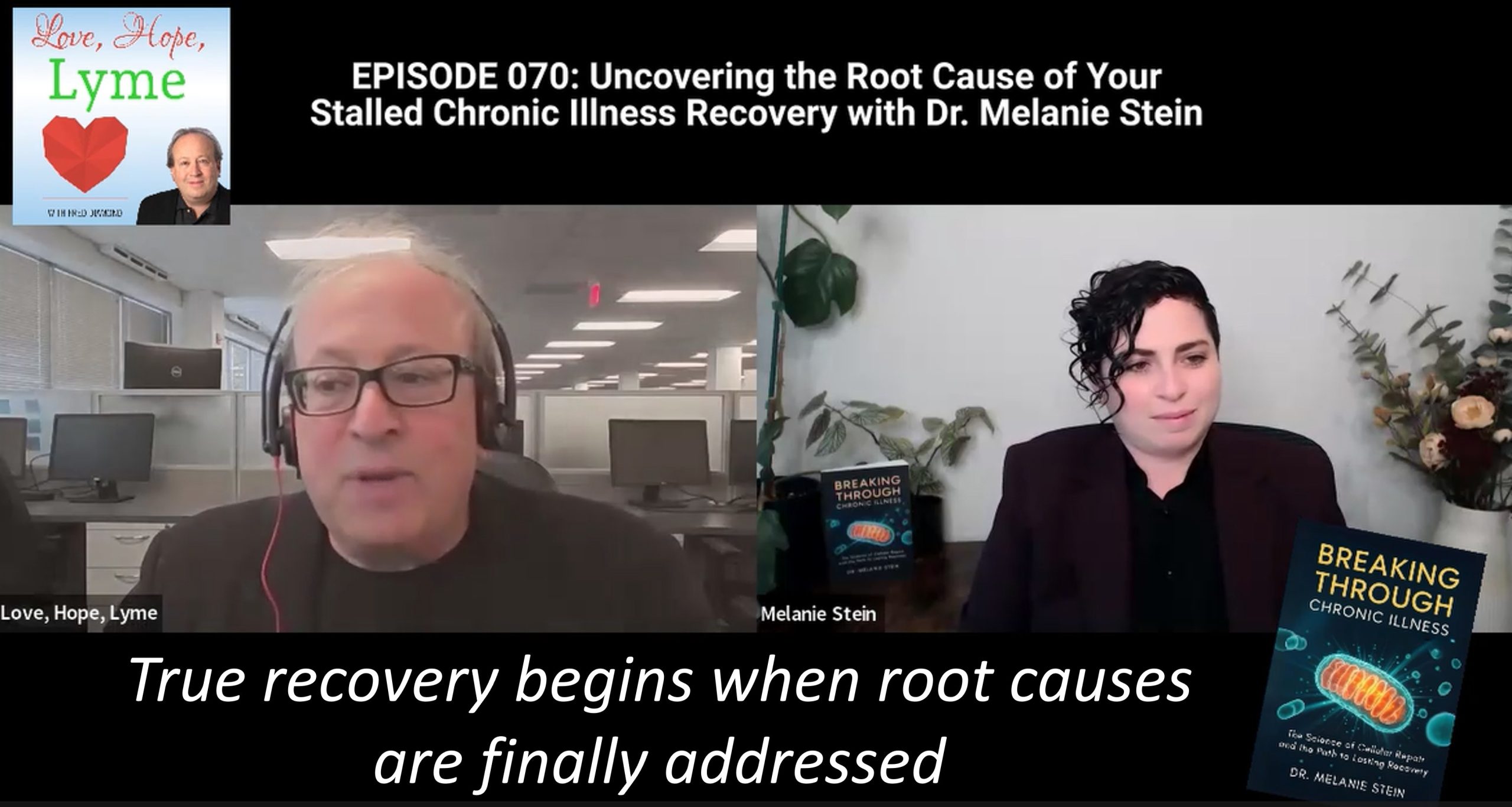
On this week’s episode of the Love, Hope, Lyme podcast, naturopathic doctor and author Dr. Melanie Stein explains why recovery stalls for so many and outlined what can be done to restart healing.
Her insights come not only from years of treating complex chronic illness in her Portland, Oregon clinic, but also from her own lived experience as a Lyme survivor. Her philosophy offers rare clarity and hope.
“There is always a root cause,” she emphasizes. “We just have to find it.”
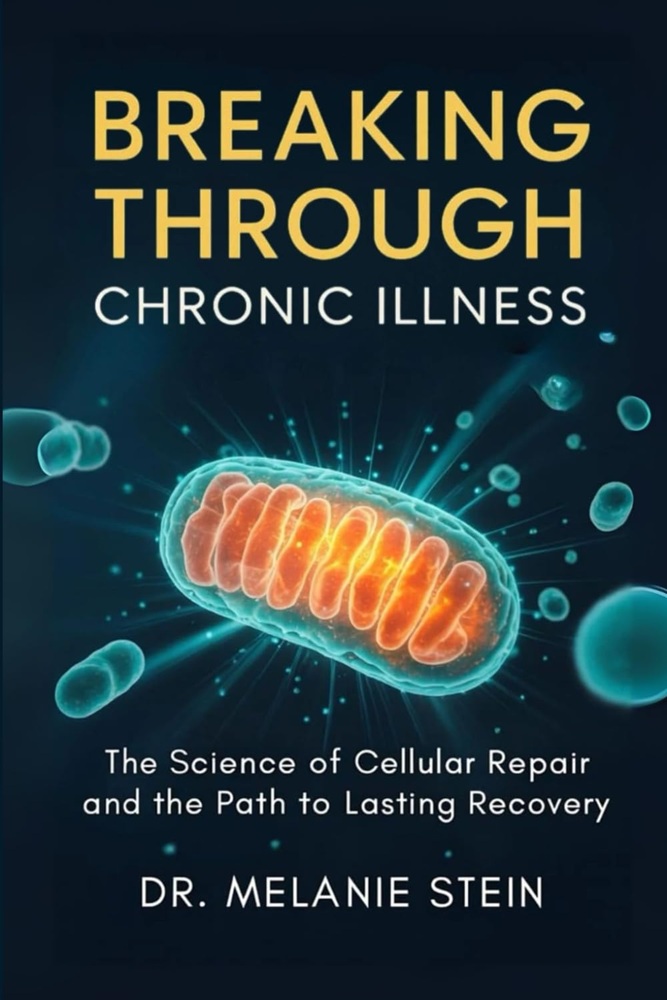
We discuss insights on this topic from her new book Breaking Through Chronic Illness: The Science of Cellular Repair and the Path to Lasting Recovery.
A Doctor Drawn into the Fight by Lived Experience
Dr. Stein’s career path changed direction when she herself became chronically ill. She heard the disbelief of clinicians. She experienced the isolation of symptoms no one could explain. That empathy is now embedded in every patient interaction.
“I know what it is like to be told you are fine when you are not,” she says. “It’s one of the worst feelings in the world.”
Naturopathic medicine gave her a broader set of tools to address what she calls “the full matrix” of chronic illness including the microbiology, immune function, toxic load, hormonal regulation, nervous system stability, trauma, and overall resilience.
Her north star is simple. If a patient is still sick, something has been missed.
Why Lyme Recovery Stalls
 Lyme disease is rarely a single-pathogen problem. Persistent symptoms often stem from multiple overlapping dysfunctions caused by tick-borne co-infections. Through years of clinical work, Dr. Stein has identified five key areas where recovery gets stuck:
- Persistent infections remain active: Borrelia is resourceful. So are co-infections like Bartonella and Babesia. They can persist and continue to dysregulate immunity, especially when testing misses them.
- Toxic burden overwhelms biological systems: Hidden mold exposure, heavy metals, environmental chemicals, and toxins released by infections themselves can trap the body in inflammation.
- The gut and immune system remain damaged: The microbiome, essential for immune signaling and neurotransmitter production, is often deeply compromised after long-term illness or antibiotics.
- Hormones and mitochondria are disrupted: Energy production tanks. Thyroid and adrenal hormones destabilize. The body functions in low-power mode.
- Trauma and nervous system dysregulation: Chronic illness becomes a threat itself. The brain stays in hypervigilance. Healing processes shut down.
For most patients, several of these factors intersect. Without addressing all relevant obstacles, recovery plateaus.
“Protocols are not one-size-fits-all,” she explains. “Everyone has a unique combination keeping them unwell.”
Testing that Sees the Full Picture
A major roadblock in chronic Lyme care is testing that fails to measure what truly matters.
“You cannot treat what you do not see,” she says “And if testing is limited, clinical reasoning must lead.”
Many standard tests:
- Detect immune reactions, not the presence of active infection
- Require strong immune function, so suppression leads to false negatives
- Ignore co-infections and toxic exposures
- Overlook mitochondrial stress, immune exhaustion, and environmental drivers
Her diagnostic approach includes:
- Functional medicine testing to assess gut health, hormones, and detox pathways
- Environmental testing, particularly for mold
- Inflammatory markers to identify system strain
- Careful study of patient history — often the most revealing data point
A negative test result, she stresses, does not mean the problem is gone.
Patients who come to her clinic are often physically depleted and emotionally exhausted. Many have tried dozens of therapies with limited success. Pushing harder rarely works.
Dr. Stein begins by stabilizing the nervous system because chronic illness often embeds trauma that keeps the body in a state of emergency.
“This is not a luxury. You cannot heal in survival mode,” she says.
Once the brain and body are no longer signaling danger, treatment expands:
- Phase One: Calm and stabilize: Vagal support, trauma-informed therapies, pacing and energy regulation.
- Phase Two: Reduce toxic load: Support for liver, kidneys, lymphatic system, mitochondrial repair, and gut balance.
- Phase Three: Target persistent infections: Herbal antimicrobials or medications carefully layered as the body becomes more resilient.
- Phase Four: Rebuild and restore: Hormone support, immune rebalance, neurological repair, metabolic strength.
The goal is lasting recovery.
The Overlooked Emotional Toll of Stalled Healing
Although Dr. Stein is deeply knowledgeable about biology and treatment pathways, she is equally attuned to the experience of the person inside the illness.
“The hardest part for many patients is not the pain or fatigue,” she says. “It is the disbelief. The dismissal. The loss of who they were.”
She sees the consequences daily:
- Careers disrupted or ended
- Families strained by misunderstanding
- Medical trauma that erodes self-trust
- Isolation that intensifies suffering
“Our job is to help the person heal and not just address the pathology,” she emphasizes.
Feeling seen and believed releases biological tension. The nervous system gets the message that safety is possible again.
What Patients Can Do When They Feel Stuck
Dr. Stein offers several empowering steps that anyone can begin today:
- Advocate assertively: If your body is telling you something is wrong, trust it. Keep seeking clinicians who investigate rather than dismiss.
- Prioritize foundations: Consistent sleep, nourishment, hydration, pacing, and gentle movement can dramatically improve treatment response.
- Assess your environment: Especially hidden mold — a common and devastating surprise for many patients.
- Regulate your stress response: Breathwork. Mind-body practices. Trauma-informed mental health support. These make the body more able to respond to therapy.
- Recognize that you are not failing: Plateaus are part of recovery, not proof that healing is impossible.
Her mantra: there is always a reason.
A Message of Realistic Hope
Every Lyme patient deserves a path to recovery grounded in science, empathy, and full-system evaluation. Dr. Stein’s approach reminds us that healing should not stop simply because a standard protocol has ended.
“Your symptoms are real,” she tell me. “Your suffering is real. And there is always more we can do.”
Lyme disease is complex. But patients should not be abandoned in the complexity. With the right support, medically and emotionally, stalled recovery can restart. Progress is possible. Lives can be rebuilt.
For those still searching for answers, Dr. Melanie Stein’s work and her message offer something essential and overdue
Click here to listen to all episodes of the Love, Hope, Lyme Podcast or on YouTube.
Fred Diamond is based in Fairfax, Virginia. His popular book, “Love, Hope, Lyme: What Family Members, Partners, and Friends Who Love a Chronic Lyme Survivor Need to Know” is available on Amazon. The e-version (pdf) of the book is always free to Lyme survivors. PM Fred on Facebook or LinkedIn for your copy.




We invite you to comment on our Facebook page.
Visit LymeDisease.org Facebook Page