








Psilocybin–from psychedelic mushrooms–may help persistent Lyme
By Nancy Dougherty
People living with Lyme disease-associated chronic illness often face persistent symptoms such as pain, fatigue, cognitive fog, and mood issues, even after repeated antibiotic treatments.
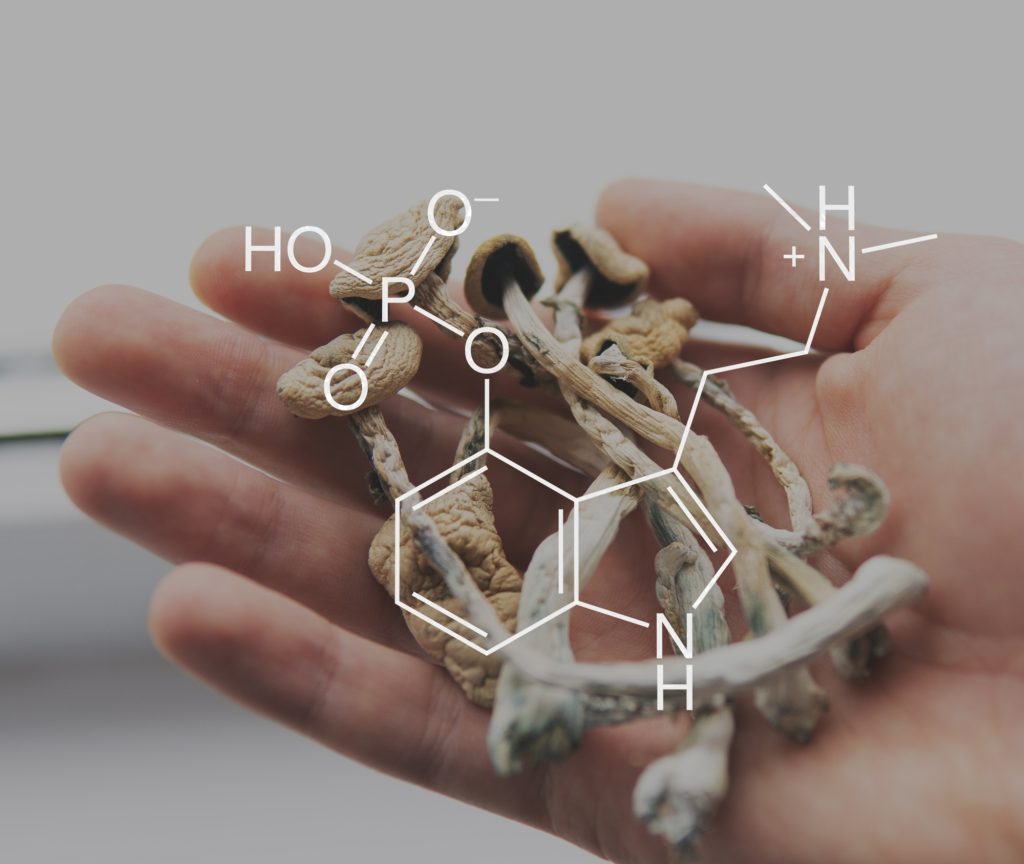
A new Johns Hopkins pilot study tested psilocybin-assisted treatment, using the active compound in psychedelic mushrooms in a controlled setting to address these long-standing challenges.
A pilot study with promising results
Read the full study summary here: Psilocybin shows lasting benefits for patients with post-treatment Lyme disease.
Study leadership
The study was led by Albert Garcia-Romeu, PhD, psychopharmacologist at Johns Hopkins Center for Psychedelic and Consciousness Research, and John Aucott, MD, Director of the Johns Hopkins Lyme Disease Research Center and Clinical Care Program.
Dr. Aucott’s clinician-scientist role in medicine bridges patient care with rigorous Lyme disease research, grounding the work in clinical evidence.
Dr. Garcia-Romeu, recently named a Frontiers of Science Fellow by the National Academy of Sciences, brings deep expertise in psychedelic science.
The biology behind persistent Lyme symptoms remains debated. Evidence points to multiple contributing factors, including possible persisting infection or antigens, immune system dysfunction, inflammation, and changes in brain signaling.
Recognizing this complexity, their cross-disciplinary collaboration opens new possibilities for addressing the persistent fatigue and neurocognitive symptoms that can burden Lyme disease patients.
Inside the study
Twenty adults with confirmed post-treatment Lyme disease (PTLD) received two doses of psilocybin, spaced two weeks apart, supported by trained facilitators. Participants were followed for six months after the final dosing session.
The results, while preliminary, were striking:
- 40% average reduction in overall symptom severity at six months
- Broad improvements in fatigue, depression, pain, and sleep quality
- Sustained benefits, without fading, as placebo effects often do
- No serious adverse events
- 100% study completion rate
Dr. Aucott remarked, “These findings, though preliminary, demonstrate the importance of collaborative innovation in Lyme disease research. We’re beginning to see what can happen when neurological, immunological, rheumatologic, and neuropsychological expertise comes together around a shared goal of improving the lives of Lyme disease patients, who’ve too often been left with inadequate options.”
Dr. Garcia-Romeu added, “We’re still early in understanding how psilocybin works in this population, but our findings suggest it might represent a new avenue for treating post-treatment Lyme disease and similar infection-associated conditions. Psychedelic medicine is emerging as a serious scientific frontier with potential relevance to many chronic, treatment-resistant conditions.”
Rethinking chronic pain and fatigue
The durability of the improvements raises a fascinating scientific question:
What’s happening in the body and brain to create lasting relief?
Researchers have several hypotheses, including:
- Altered neural activation: Some persistent symptoms may be related to entrenched brain network patterns. Psilocybin might disrupt these, allowing for readjustment of brain signaling to emerge across regions involved in pain perception, fatigue, and mood regulation.
- Immune and inflammatory modulation: Psilocybin may influence neural-immune communication and affect inflammation.
- Emotional processing: Psilocybin-assisted treatment may help patients integrate emotions and chronic stress, potentially moderating physiological stress responses that can amplify pain and fatigue.
Johns Hopkins researchers are designing follow-up research using multimodal brain imaging such as functional MRI and biomarker analyses to test these possibilities, examining how brain activity, immune response, and inflammation are impacted by psilocybin in the context of Lyme disease.
Broader potential impact
Philanthropic support, including early contributions from the Steven & Alexandra Cohen Foundation, Tim Ferriss, and others, has been key to driving this research forward, and the implications reach beyond Lyme disease. A growing body of findings underscores how psychedelic science is expanding beyond mental health to probe the biology of chronic disease and recovery itself.
Researchers have already identified long COVID and myalgic encephalomyelitis/chronic fatigue syndrome (ME/CFS) as logical next steps, given overlapping symptoms and possibly shared biological mechanisms.
Looking ahead with hope and caution
While psilocybin is still in the early research phase and larger trials are needed, this pilot study offers something the Lyme disease community has waited decades for: a potential path forward for meaningful recovery and novel treatments.
For the millions affected by lingering Lyme disease symptoms, Johns Hopkins’ cross-disciplinary science offers hope.
Nancy Dougherty is an education and communications consultant for the Johns Hopkins Lyme Disease Research Center and Clinical Care Program.




We invite you to comment on our Facebook page.
Visit LymeDisease.org Facebook Page