












New York has a plan to combat Lyme disease. Why is it still buried?
If you care about improving the lives of Lyme patients and protecting public health, you’ll want to read Mary Beth Pfeiffer’s latest exposé.
Pfeiffer—author of Lyme: The First Epidemic of Climate Change and one of the most respected investigative journalists covering tick-borne illness—has written a powerful piece that reveals how New York State has failed to act on its own expert recommendations, despite a worsening epidemic.
Nearly two years ago, a task force of 17 scientists, physicians, and public health experts submitted a comprehensive plan to the state. It outlined urgent steps to address the surge in Lyme and other tick-borne diseases. But the report was never released.
As Dr. Richard Horowitz, a leading Lyme physician involved in the effort, said: “It is coming on two years, and the report disappeared.”
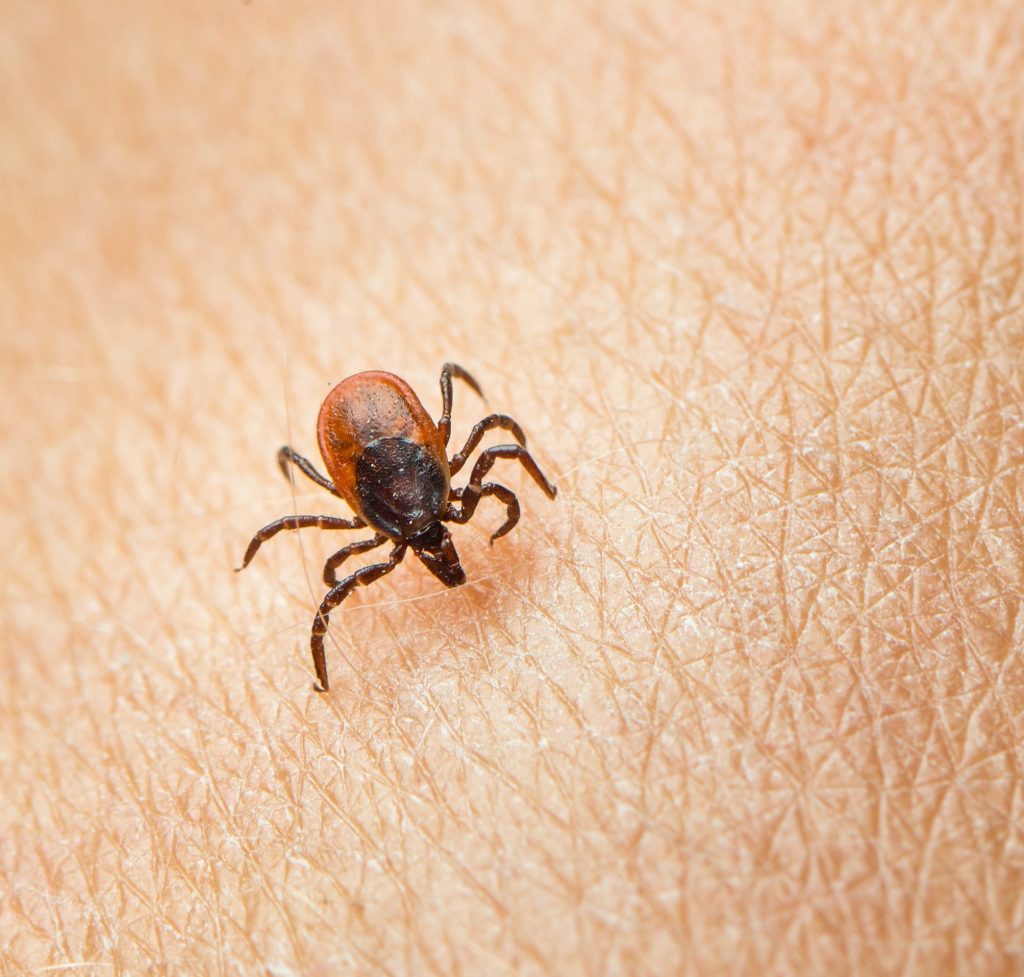
The timing couldn’t be more critical. Pfeiffer details how emergency rooms are overwhelmed, co-infections like babesiosis are rising, and new threats like alpha-gal syndrome (AGS) are emerging. AGS, a tick-induced allergy to mammalian meat, has exploded in places like Martha’s Vineyard and Suffolk County, NY—where homeowners are reportedly being chased from their gardens by aggressive lone star ticks.
Even more alarming, a recent Maine study linked AGS to the blacklegged tick—the same one that spreads Lyme disease. Pfeiffer notes that if the task force’s recommendations were adopted, AGS would be added to the list of reportable diseases, helping track and respond to its spread.
Buried in bureaucracy?
The report itself was designed to improve diagnosis, treatment, and prevention of tick-borne diseases. It calls for better insurance coverage, improved ER protocols, and recognition of risks to pregnant women and children. But it remains buried in bureaucracy.
As Lorraine Johnson, CEO of LymeDisease.org, put it: “When task forces—state and local—collaborate with community stakeholders and offer solutions, it’s a missed opportunity if their work isn’t loudly shared.”
Pfeiffer’s article is a wake-up call. It’s not just about ticks—it’s about transparency, urgency, and the cost of inaction. I highly recommend reading the full piece and sharing it widely. The more attention it gets, the harder it becomes for officials to ignore.
Click here to read the article.
TOUCHED BY LYME is written by Dorothy Kupcha Leland, President of LymeDisease.org. She is co-author of Finding Resilience: A Teen’s Journey Through Lyme Disease and of When Your Child Has Lyme Disease: A Parent’s Survival Guide. Contact her at dleland@lymedisease.org.





We invite you to comment on our Facebook page.
Visit LymeDisease.org Facebook Page