















Study: Ohio now faces Lyme disease risk comparable to Connecticut
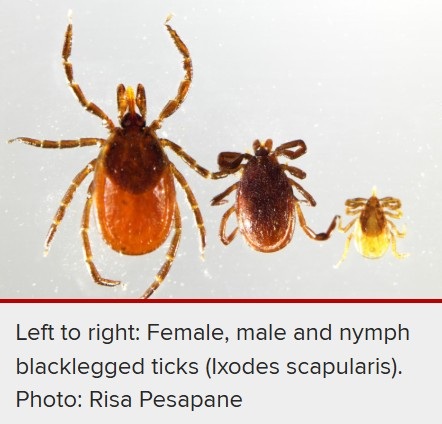
A new study from Ohio State University shows that Ohioans now face a Lyme disease risk on par with long‑endemic Northeastern states such as Connecticut. This is a dramatic shift from just a decade ago.
Researchers revisiting sites first studied in 2014 found that infection rates in blacklegged ticks have skyrocketed. In 2010, only 2.4% of collected ticks carried Borrelia burgdorferi, the bacteria that causes Lyme disease.
Today, that number has climbed to nearly 50%, with infection rates in small mammals reaching 60% in some areas.
“Our suspicion was that this pathogen‑vector system could really establish and take off,” said senior author Risa Pesapane, associate professor of veterinary preventive medicine. “And now Ohio has the same risk as those endemic regions in the Northeast.”
Ticks found in 88 counties
Blacklegged ticks, also known as deer ticks, have now been reported in all 88 Ohio counties. Risk is highest in the state’s eastern and southern forested regions, but Pesapane emphasized that residents in places like Coshocton face the same exposure potential as those in Lyme, Connecticut.
The research team collected more than 650 ticks and over 100 small mammals for testing. The results were striking: nearly half of the ticks carried Lyme‑causing bacteria, and 15% carried the pathogen responsible for anaplasmosis. White‑footed mice and eastern chipmunks were the most frequently infected hosts.
“When I talk to people, I like to stress this means one out of every two ticks you might encounter in Ohio could be infected,” Pesapane said.
The findings arrive as Ohio experiences a 48‑fold increase in reported Lyme cases since 2010. With ticks active whenever temperatures rise above freezing — even on snowy days — researchers say year‑round vigilance is essential.
The study appears in the Journal of Medical Entomology.
SOURCE: Ohio State News






We invite you to comment on our Facebook page.
Visit LymeDisease.org Facebook Page