






HHS Lyme Disease Roundtable brings cautious hope
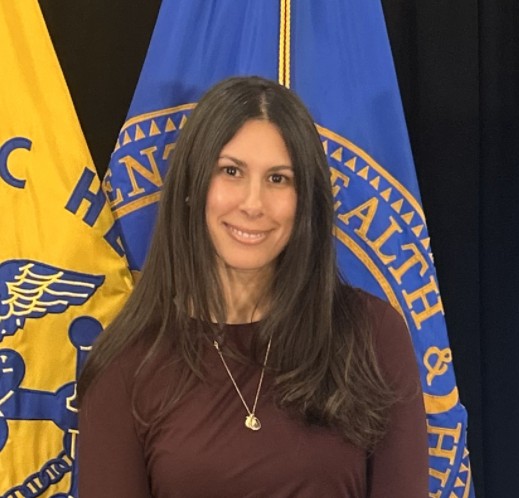
By Ali Moresco
This week, I attended the HHS Lyme Disease Roundtable hosted by HHS Secretary Robert F. Kennedy Jr. Walking into the room, I’ll be honest: I truly had no idea what to expect.
Very little information had been shared beforehand. And after nearly 11 years working in the Lyme and tick-borne disease space, years that I know are only a fraction of the decades-long fight many advocates and patients have endured, I did not want to get my hopes up.
For far too long, Lyme disease has been the forgotten illness–an invisible disease that affects millions, yet has been consistently swept under the rug. Patients have been dismissed, research underfunded, and suffering minimized, teaching many in this community to expect very little action from federal institutions.
That began to shift about five years ago, when the Center for Lyme Action helped drive renewed attention in Washington through persistent, strategic advocacy. Now, with Meghan Bradshaw helping to advance those efforts, that momentum is clearly accelerating- helping move Lyme disease out of the shadows and into serious federal conversations like the one we witnessed at this HHS roundtable.
As Congressman Chris Smith powerfully stated during the discussion, “We used to talk to the wall in this building. They were always polite, but nothing would happen.”
This time felt different.
Tangible actions
One of the most surprising aspects of the roundtable was that HHS didn’t just talk about future intentions- they announced actions that have already been taken.
Among them:
- The reauthorization of The Lyme Innovation Accelerator (LymeX), a partnership between the U.S. Department of Health and Human Services (HHS) and the Steven & Alexandra Cohen Foundation
- A newly launched HHS website dedicated solely to Lyme disease, which–at first glance–appears more comprehensive and patient-centered than any previous federal Lyme resource
- Updated Medicare language confirming that Lyme disease is covered. There is still a lot to understand around the stipulations, eligibility, and what treatment coverage will actually look like in practice- but it does feel like a meaningful step forward.
These are not small things. They represent movement in a space where progress has historically felt stalled.
A well-rounded scientific conversation
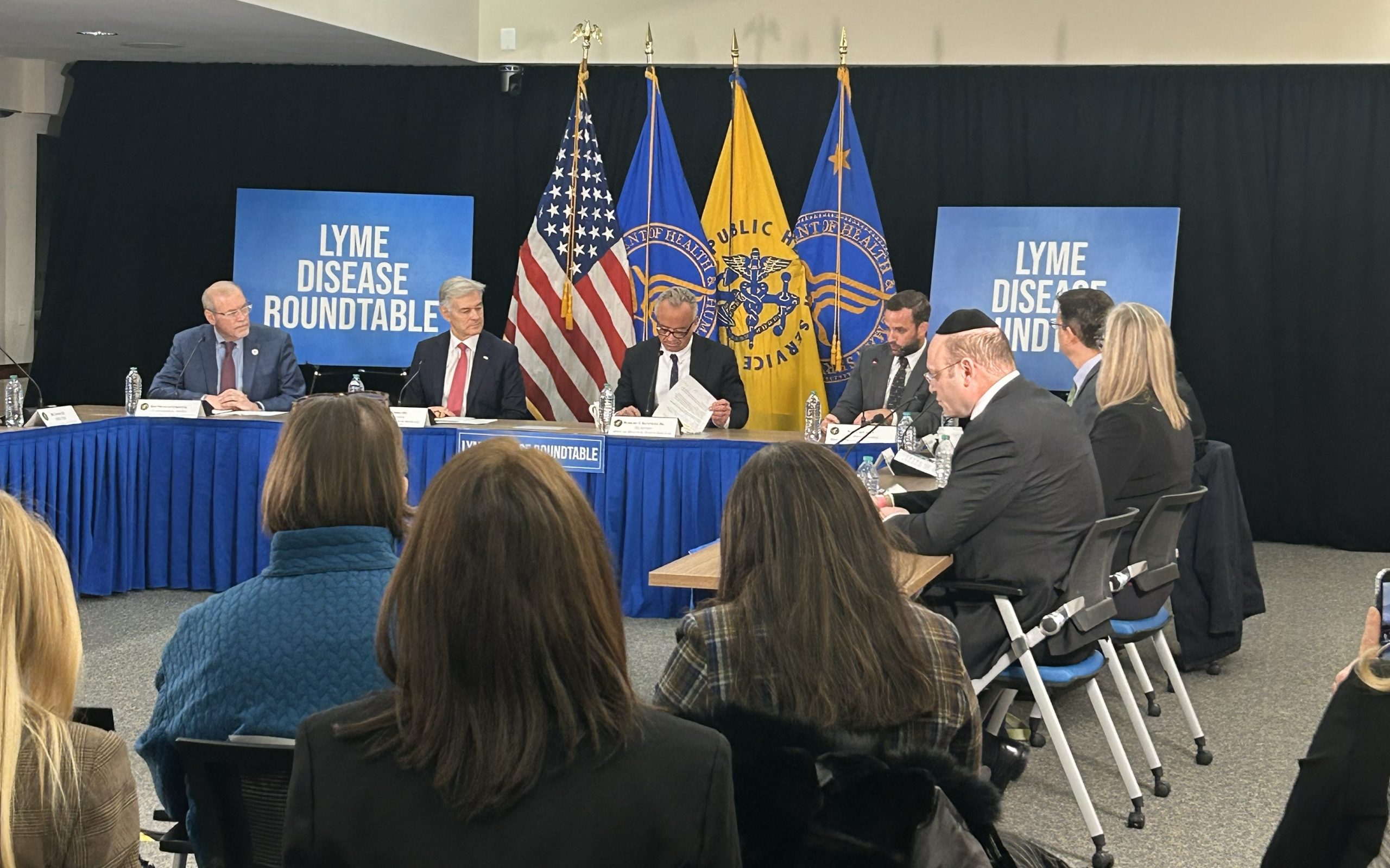 I was also encouraged by the diversity of scientific and clinical voices selected for the panels. The speakers collectively painted a holistic and sobering picture of Lyme disease, one that patients know all too well.
The discussion touched on:
- The lack of accessible and reliable diagnostics
- The absence of effective, universally accepted treatments
- Gaps in medical education
- The persistent gaslighting patients experience
- The profound neurological and psychiatric impacts of the disease
Dr. Oz noted, “Those living with chronic Lyme are living in the shadows.”
RFK Jr. shared a reality this community has long known: research has been underfunded and misunderstood for decades, leaving families without answers. Patients wait day after day, year after year. One patient speaker, Sam Sofio, shared that they waited 1,400 days for answers to their symptoms.
The reality of the disease, and the damage of denial
Several moments stood out as deeply validating for patients.
We heard that:
- Borrelia can persist, and in many cases cannot even be eradicated in a test tube using standards referenced in current IDSA guidelines
- Borrelia often does not circulate in the blood, complicating detection
- There are over 650 peer-reviewed studies documenting the psychiatric and neurological impacts of Lyme disease
- Suicide remains a dangerously overlooked outcome in this patient population
Dr. Bransfield noted a devastating truth: when the healthcare system fails patients, they are often sent to psychiatry- not because the illness is psychiatric, but because when medicine has no answers, they write it off as psychiatric illness.
Emerging hope through science and technology
There was also real optimism shared about the future of diagnostics and treatment.
Speakers discussed:
- An explosion in new diagnostic technologies
- Advances in antibiotic research
- The potential for AI-designed drugs in the coming years
- Research underway to better understand immune dysregulation and cytokine pathways
- The ability to measure symptoms like brain fog objectively at the MAESTRO Study–because brain fog is not subjective
What was missing and what comes next
As someone with a complex tick-borne illness who spent seven years searching for a treatment approach that truly worked for me (Dapsone combination therapy!) I would have welcomed more discussion around treatment options. I hope that is an area the conversation expands into in the future. It’s also important to acknowledge reality: there were two panels, each one hour long. You cannot undo decades of neglect in two hours.
Many of the organizations and experts in the room plan to continue these conversations privately, with the hope of helping HHS more fully understand the daily realities patients face and what is truly needed to move the needle.
I left the roundtable feeling optimistic, but also cautious.
We need to see continued action. We need funding mechanisms that allow scientists to build what they actually need. We need better coordination across agencies and disciplines. And we need this to be treated not as a niche issue, but as what it is: a global public health crisis.
Holding hope without ignoring reality
What was so clear to me yesterday, is that this moment did not happen in isolation. This roundtable was the result of countless advocates using their voices, whether for one week or forty years. Patients, caregivers, clinicians, researchers, and organizations have refused to stop speaking, even when it felt like no one was listening.
Change takes time, especially if we want it done correctly. This does not mean that we should lose hope!
In the exact words of HHS Chief of Staff and Senior Advisor Dr. Stephanie Haridopolos to those living with Lyme disease:
“Lyme patients: you are being seen and you are being heard.” Dr. Haridopolos went on to share that “we are listening to patients. We are shaping programs off of patient experience and roundtables like this.”
This roundtable was a good start. Now we must ensure it is not also the end.
Ali Moresco is a tick-borne disease survivor, advocate, speaker and founder of Moresco PR, a healthcare communications firm. She also serves as Executive Board Chair of Project Lyme. You can connect with Ali on Instagram at @AliTMoresco or on YouTube.
See also:
Does HHS Lyme roundtable signal a new era for patients?
Summary and transcript of HHS Lyme Roundtable session
YouTube replay of the whole meeting




We invite you to comment on our Facebook page.
Visit LymeDisease.org Facebook Page