







PATHOBIOME PERSPECTIVES: How microbes like Lyme may trigger Alzheimer’s
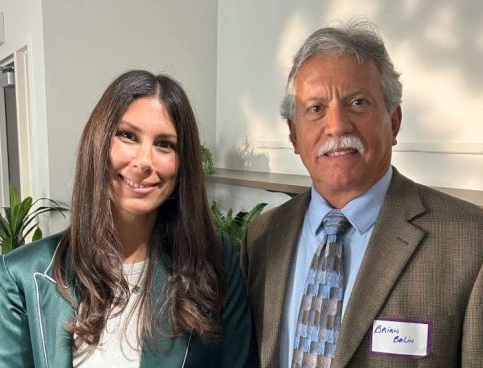
Pathobiome Perspectives is an interview series exploring the role of infections in chronic neurological and psychiatric conditions—including Alzheimer’s, Parkinson’s, Lyme disease, and long COVID.
By Ali Moresco
For years, people living with chronic Lyme disease and other infection-associated chronic illnesses have reported cognitive decline, memory problems, slowed processing, word-finding issues, and personality changes. Yet these symptoms are often dismissed as psychological rather than biological.
Now, groundbreaking research from the Alzheimer’s and neuroimmunology community is helping to rewrite that narrative. One of the scientists leading the charge is Dr. Brian J. Balin, internationally recognized for identifying infection as a driver of Alzheimer’s disease.
Dr. Balin joins Pathobiome Perspectives live from the 2nd Annual Alzheimer’s Pathobiome Initiative (AlzPI) and PCOM Symposium. He discusses how chronic infection may contribute to neurodegeneration, and what this means for patients living with Lyme disease.
In this powerful conversation, Dr. Balin explains:
- How microbes such as Borrelia burgdorferi (Lyme), Bartonella, Babesia, and Chlamydia pneumoniae have been detected in Alzheimer’s brain tissue
- How pathogens may enter the brain — through the olfactory system or a compromised blood-brain barrier
- Why polymicrobial infection, not a single pathogen, may be the missing link in cognitive decline
- What 3D human brain organoids and animal models are teaching us about infection-driven neuroinflammation
- How precision diagnostics and emerging therapies — including immune modulation, antimicrobials, and phage therapy — could reshape the future of Alzheimer’s and chronic illness care
His central message is one that resonates deeply across the chronic Lyme community: infection can be part of the exposome — a lifelong environmental exposure that shapes brain health over time.
A turning point for chronic illness science
Dr. Balin’s research bridges two worlds that rarely intersect: neurology and infectious disease. By demonstrating that infections — including those transmitted by ticks — may play a role in Alzheimer’s, his work offers scientific validation for the millions experiencing cognitive decline after Lyme disease and other infections.
Tune in to this episode of Pathobiome Perspectives, presented in collaboration with Tick Boot Camp and LymeDisease.org, to learn how cutting-edge research could transform our understanding of chronic illness and cognition- and offer hope to millions navigating life through the haze.
Pathobiome Perspectives was developed in collaboration with the Pathobiome Research Center at PCOM, led by Founding Director Nikki Schultek, and Director Dr. Brian Balin and the Center for Chronic Disorders of Aging (CCDA).
New episodes of Pathobiome Perspectives will roll out every Tuesday night at 7:30 p.m. Central.
Ali Moresco is a tick-borne disease survivor, advocate, speaker and founder of Moresco PR, a healthcare communications firm. She also serves as Executive Board Chair of Project Lyme. You can connect with Ali on Instagram at @AliTMoresco or on YouTube.



We invite you to comment on our Facebook page.
Visit LymeDisease.org Facebook Page