











From immune dysfunction to tick‑borne disease: Insights from MAPS conference
By Terri McCormick
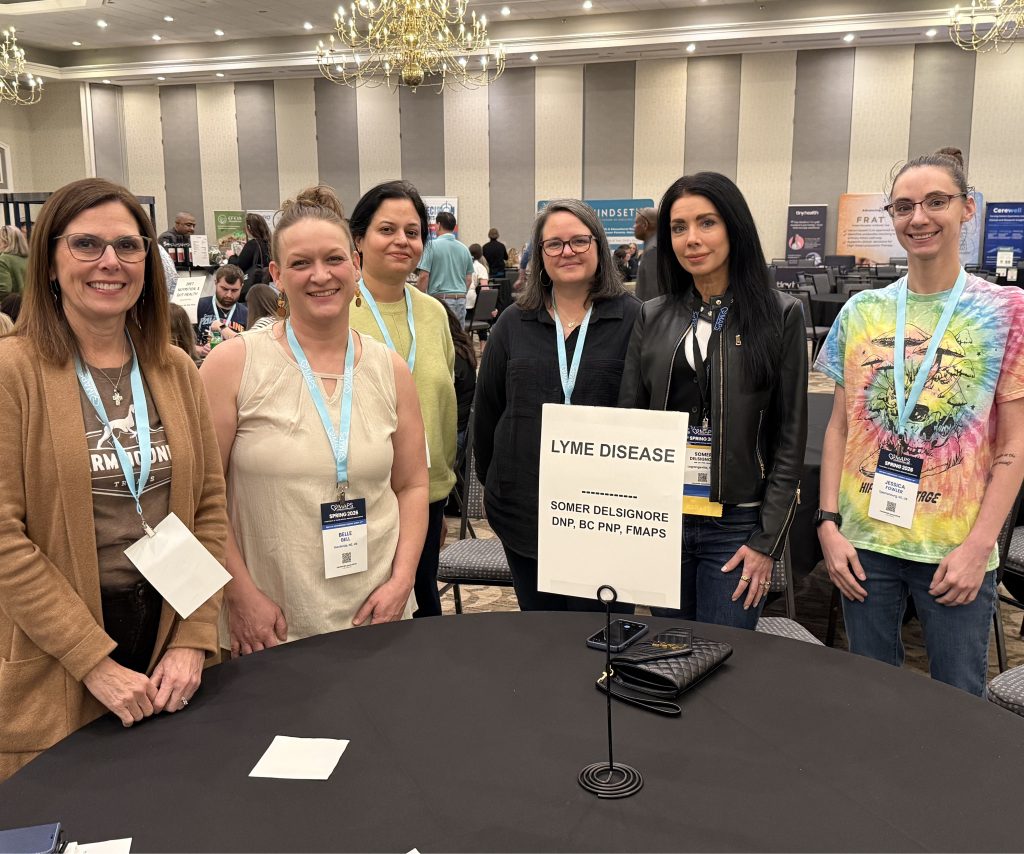
The Medical Academy of Pediatrics and Special Needs (MAPS) Conference in Charlotte, North Carolina recently brought together a rapidly growing community of clinicians committed to understanding complex chronic illness in children. This includes the often overlooked role of tick-borne infections.
The clinician conference was sold out with more than 620 attendees. Of those, 225 clinicians were first-timers at this conference, along with 12 medical students.
This reflects a rising interest in the science behind immune dysfunction, neuroinflammation, and infection-driven disease.
Over three days, 42 presenters covered topics ranging from immune dysregulation and neuropsychiatric illness to autism, environmental triggers, and the emerging recognition of vector-borne infections in chronic pediatric conditions.
Wide range of clinical topics
Sessions explored both foundational and advanced concepts. A few highlights include:
- Foundations of Immune Dysfunction by Myriah Hichey, ND
- Reframing Neuropsychiatric Illness by Chris Winfrey, MD
- Brain on Fire by Eboni Cornish, MD
- Beastly Bartonella by Saima Khan, MD
- Treatment approaches for PANS and PANDAS by Debby Hamilton, MD
Together, these sessions reflected a growing willingness among clinicians to look at illness through a broader lens—one that considers the combined effects of infections, environmental exposures, immune challenges, and chronic inflammation.
MAPS opens its doors to families

Parent Jordan Kimberg
For the first time, MAPS also hosted a parent conference, which drew 130 participants. Families took part in 30-minute roundtable discussions led by clinicians, creating an opportunity for parents to ask questions, share experiences, and engage directly with physicians in a personal and supportive setting.
Parent Jordan Kimberg noted, “Every parent here has a story. Everyone is here for a reason. It is equal parts heartbreaking and inspirational.”
Kim Talia, whose child has PANS, found a shift in perspective at the event.
“My son kept getting worse, and we went from hospital to hospital without anyone explaining why. We were told it was just bad luck and something we had to accept. No one talked about healing. At MAPS, I found a completely different perspective, grounded in science and education, where parents are respected and heard. It helped me better understand my son’s complex tick-borne illness and it gave me hope. With the right support, healing is possible, and it opened new pathways to explore.”
Bringing the Lyme community’s voice into the room
As an advocate for LymeDisease.org and author of the forthcoming book Being Misdiagnosed: Stories That Reveal the Hidden Epidemic of Lyme Disease, I came to the conference to share patient experiences from the Lyme community with clinicians from across the country.
Throughout the event, many doctors spoke about the challenges they face when treating patients with persistent, unexplained symptoms. These conversations highlighted a critical gap in understanding and emphasized the need to consider vector-borne illnesses as part of the diagnostic picture.
For many in the Lyme community, this gap is all too familiar. Complex, multi-system symptoms are often overlooked, dismissed, or attributed to unrelated causes.
Encouragingly, clinicians expressed a strong interest in learning more about Lyme disease and co-infections and in understanding how these infections can contribute to chronic, whole-body illness. This growing openness represents a meaningful shift toward more comprehensive and patient-centered care.
Why conferences like MAPS matter
Events like MAPS help bridge the divide between patient experience and clinical practice. By fostering dialogue, elevating real-world stories, and encouraging clinicians to look beyond traditional diagnostic boundaries, these gatherings create space for progress.
For families navigating complex chronic illness, including those affected by Lyme disease, this momentum offers hope. Greater awareness leads to earlier recognition, more informed treatment, and better outcomes.
My goal is to continue sharing insights from conferences like MAPS with the Lyme community, and to help more medical practitioners understand what patients truly face on their path to diagnosis and effective treatment.
Terri McCormick is a writer and advocate with LymeDisease.org. She is the author of the forthcoming book Being Misdiagnosed: Stories That Reveal the Hidden Epidemic of Lyme Disease.






We invite you to comment on our Facebook page.
Visit LymeDisease.org Facebook Page