











Creating the support structure patients need to heal from Lyme
By Fred Diamond
When you break an ankle, you don’t need someone to coach you through the treatment process, financial issues, and medicinal requirements that come along with healing.
However, for people living with chronic Lyme disease and other tick-borne infections, the illness itself is only part of the battle. The day-to-day reality often includes overwhelming fatigue, brain fog, complex treatment protocols, insurance challenges, school accommodations, and the emotional toll of managing an unpredictable, multisystemic disease.
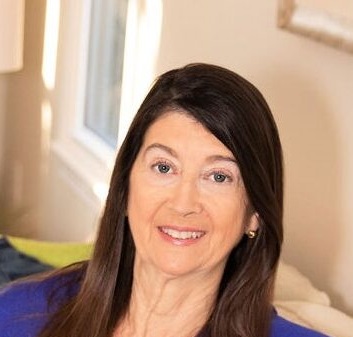
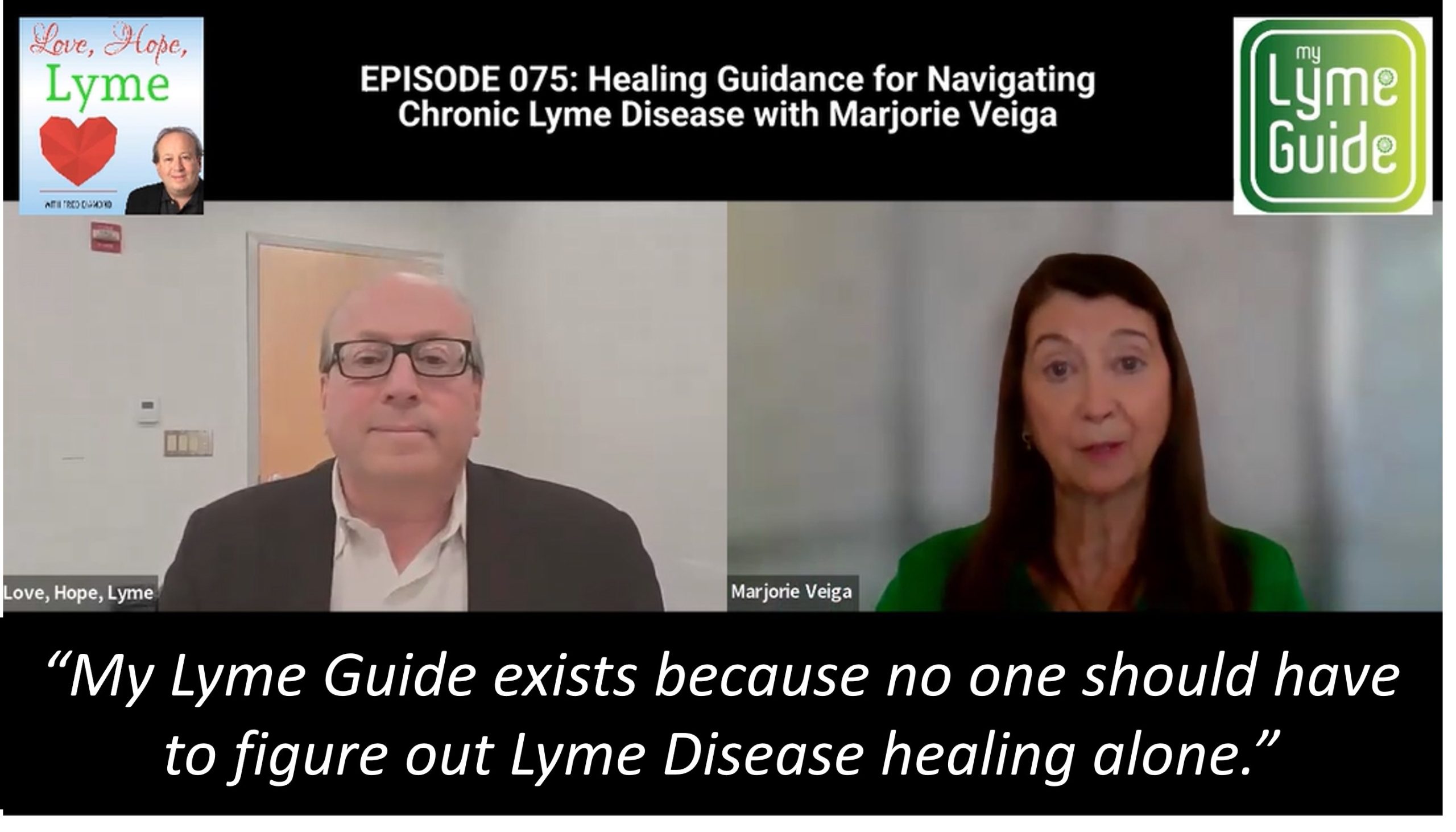
On this week’s Love, Hope, Lyme podcast, Marjorie Veiga, a longtime Lyme advocate, author, health coach, and wellness practitioner joins me to talk about practical strategies for navigating that complexity with greater clarity and structure.
She is the creator of “My Lyme Guide,” a comprehensive organizational system designed to help patients and caregivers manage the relentless demands of Lyme disease.
Her story is deeply personal. She contracted a tick-borne illness in 1999 while building a demanding career as a senior manager at Verizon.
Years later, her daughter also became ill, suffering from Lyme disease and co-infections from ages 10 to 20. Together, their experiences shaped Marjorie’s lifelong commitment to helping others find steadier footing while living with chronic illness.
From survival to systems
“When I was sick, I always knew there would be a way I could help people once I got well,” Marjorie shares. “I would pray that my pain would have a purpose.”
That sense of purpose ultimately led to the creation of “My Lyme Guide.”
The guide was born out of necessity. As both a patient and a parent, Marjorie found herself juggling medical appointments, lab results, imaging reports, medications, insurance paperwork, school documentation, and treatment plans often while experiencing debilitating brain fog and exhaustion.
Drawing on her project management background, she began creating charts, forms, and tracking systems to keep everything in one place.
What started as a personal binder soon caught the attention of her physician. “She looked at it and said, ‘This helps me synthesize. I can heal you faster,’” Marjorie recalls.
The system made appointments more productive, reduced duplicated testing, and allowed doctors to see patterns more clearly. Eventually, support group members and clinicians encouraged her to share the guide more widely.
Reducing overwhelm in a complex disease
Lyme disease is unlike many other medical conditions. It is multisystemic, multifactorial, and often chronic. Patients may be managing multiple antibiotics, herbal protocols, supplements, detox strategies, and supportive therapies. This often happens while rotating and pulsing medications to avoid resistance.
Marjorie explains pulsing and rotating in simple terms: taking medications on specific schedules, sometimes with days off, and changing combinations every few months.
“You have to keep track of what you’ve already done and what you’re doing now,” she says. Without a clear system, it is easy to lose track, especially when cognitive symptoms are present.
“My Lyme Guide” addresses this challenge head-on. It includes charts for tracking medications, dosages, refill dates, costs, pulsing schedules, and side effects. There are tools for monitoring symptoms over time, allowing patients to see progress as pain, fatigue, or neurological symptoms decrease from “tens” to “ones or zeros.”
“Lyme affects the brain,” Marjorie emphasizes. “If you’re brain fogged and tired, it’s even harder to get any of this done.”
Having information organized in advance reduces the mental load and allows patients to focus their limited energy on healing.
Partnering more effectively with doctors
Marjorie stresses the importance of documentation. Well-organized records help physicians make better decisions and prevent unnecessary repetition of tests. She cites research suggesting that up to 30% of medical tests are repeated simply because prior results are inaccessible.
She encourages patients to use every available tool: patient portals, electronic folders, symptom-tracking apps, medication reminders, and even AI-assisted note-taking platforms that allow patients to record doctor visits and share notes with caregivers.
Preparing questions in advance not only improves communication but is often appreciated by clinicians.
“When you walk into an appointment with everything at hand,” Marjorie said, “you feel better and your doctor can move you further down the path to wellness.”
Creating a team at home
For those newly diagnosed, or those overwhelmed even years into illness, Marjorie recommends starting with honest conversations at home. Chronic Lyme affects the entire family, and healing works best as a team effort.
“Get together with family members, caregivers, or advocates and explain what this diagnosis means,” she advises.
Assign tasks based on ability: children can make copies, teenagers can manage apps, adults can handle scheduling or insurance. Cross training ensures continuity when one person is too fatigued to manage their role.
She also suggests designating a specific space in the home for medical management. Separating medications and paperwork from living and dining areas helps preserve a sense of normalcy.
“The dinner table is for dining,” Marjorie says. “It doesn’t need to be a reminder that you’re a patient.”
Supporting children in school
Parents of children with Lyme disease face unique challenges. Marjorie, who navigated years of school accommodation for her daughter, emphasizes the importance of advocacy. This may include 504 plans, IEPs, meetings with social workers and teachers, and coordination with school nurses.
Medications often must be stored and administered through the school clinic, and staff, including physical education teachers, need to be informed about a child’s limitations. In some cases, families explore homeschooling, online education, private schools, or homebound instruction.
“It’s very involved,” she acknowledges. “But there are accommodations available, and sometimes it helps to work with education advocates or attorneys to ensure children get what they need.”
Exploring supportive technologies
In addition to organizational tools, Marjorie has spent years studying and working with frequency-based wellness technologies. Her interest began when her daughter experienced significant improvement using approaches such as pulsed electromagnetic frequency (PEMF), frequency-specific microcurrent, and related modalities alongside conventional treatments.
“These are not replacements for antibiotics,” she explaines, “but they can be used together.” She views them as supportive therapies that help restore cellular energy and support the body’s natural healing processes.
“At the root of so many symptoms is mitochondrial dysfunction,” she says. “If your mitochondria aren’t producing ATP, you can’t detox well, digest well, or reduce inflammation.”
Frequency-based approaches, she believes, act like a battery charger for the body, improving microcirculation and cellular function.
Today, Marjorie works with individuals to determine which tools may be appropriate based on symptoms, cognitive capacity, discipline, availability, and budget. Options range from in-office sessions to device rentals or ownership, always tailored to the individual.
Hope, flexibility, and persistence
One of the most powerful themes of our conversation is hope.
Marjorie reminds listeners that Lyme treatment is not one-size-fits-all and that setbacks do not mean failure. “There’s always a Plan B and a Plan C,” she said. “If something didn’t work before, that doesn’t mean it won’t work in the future.”
Her message to those still in the depths of illness is simple but profound: healing is possible, and no one must navigate Lyme disease alone.
The disease may be overwhelming but the compassion, structure, and dedication of advocates like Marjorie Veiga offer a roadmap forward. Through practical guidance, collaborative care, and unwavering belief in recovery, she continues to help others move toward wellness with greater confidence, clarity, and hope.
More information about Marjorie’s services can be found at her website.
Click here to listen to all episodes of the Love, Hope, Lyme Podcast or on YouTube.
Fred Diamond is based in Fairfax, Virginia. His popular book, “Love, Hope, Lyme: What Family Members, Partners, and Friends Who Love a Chronic Lyme Survivor Need to Know” is available on Amazon. The e-version (pdf) of the book is always free to Lyme survivors. PM Fred on Facebook or LinkedIn for your copy.






We invite you to comment on our Facebook page.
Visit LymeDisease.org Facebook Page