







PATHOBIOME PERSPECTIVES: Do your eyes hold the key to brain fog?
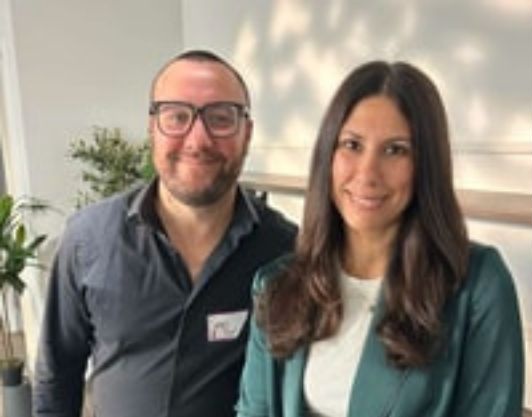
Pathobiome Perspectives is an interview series exploring the role of infections in chronic neurological and psychiatric conditions—including Alzheimer’s, Parkinson’s, Lyme disease, and long COVID.
By Ali Moresco
New research presented at the 2nd Annual Alzheimer’s Pathobiome Initiative (AlzPI) & PCOM Symposium is reshaping how scientists understand brain fog and infection-associated neurodegeneration, and the eyes may be the key.
Sean Miller, PhD, has spent his career studying neurodegeneration and early diagnostic strategies for Alzheimer’s disease. His training spans Harvard Medical School, Johns Hopkins University, and Stanford University.
Today, his work focuses on the intersection of infection, neuroinflammation, and the earliest biological signs of cognitive decline.
COVID-19 as a driver of Alzheimer’s-like brain changes
In this interview with Pathobiome Perspectives, Dr. Miller shared evidence showing that SARS-CoV-2 (COVID-19) infection can accelerate Alzheimer’s-like pathology in the brain, and that these changes are detectable non-invasively through the retina.
His lab’s research supports a rapidly emerging model: amyloid-beta, long associated with Alzheimer’s disease, may also be part of the brain’s antimicrobial defense system. When pathogens enter the central nervous system, neurons release amyloid-beta to trap them- like a mesh or biofilm. But repeated or severe infections can cause excessive plaque buildup, leading to long-term neuroinflammation and neuron loss.
A window into the brain, through the eye
The retina is part of the central nervous system, which means it offers a unique, accessible view into brain health. Using AI-enhanced retinal imaging, Dr. Miller’s team at the Yale Eye Center is identifying amyloid and tau deposits in patients experiencing long COVID-related brain fog. This breakthrough leads us to discuss what this could one day mean for earlier detection of Alzheimer’s.
Dr. Miller also discussed potential therapeutic strategies designed to stop plaque buildup early, including:
- limiting amyloid production during infection flare-ups
- enhancing natural clearance mechanisms after infection resolves
These approaches could help prevent chronic inflammation and plaque accumulation, long before cognitive symptoms emerge.
Why this matters to the Lyme community
Dr. Miller’s work reinforces a rapidly expanding area of research connecting infection, immune dysregulation, and neurodegeneration. This framework is relevant not only to COVID-19 and Alzheimer’s, but also to infection-associated cognitive decline seen in Lyme disease and related chronic illnesses.
Tune in to this episode of Pathobiome Perspectives, presented in collaboration with Tick Boot Camp and LymeDisease.org, to learn how cutting-edge research at MIT could transform our understanding of chronic illness and cognition- and offer hope to millions navigating life through the haze.
Pathobiome Perspectives was developed in collaboration with the Pathobiome Research Center at PCOM, led by Founding Director Nikki Schultek, and Director Dr. Brian Balin and the Center for Chronic Disorders of Aging (CCDA). This event was made possible through the joint support of these two PCOM Centers.
New episodes of Pathobiome Perspectives will roll out every Tuesday night at 7:30 p.m. Central.
Ali Moresco is a tick-borne disease survivor, advocate, speaker and founder of Moresco PR, a healthcare communications firm. She also serves as Executive Board Chair of Project Lyme. You can connect with Ali on Instagram at @AliTMoresco or on YouTube.



We invite you to comment on our Facebook page.
Visit LymeDisease.org Facebook Page