









What’s the real reason people don’t protect themselves from ticks?
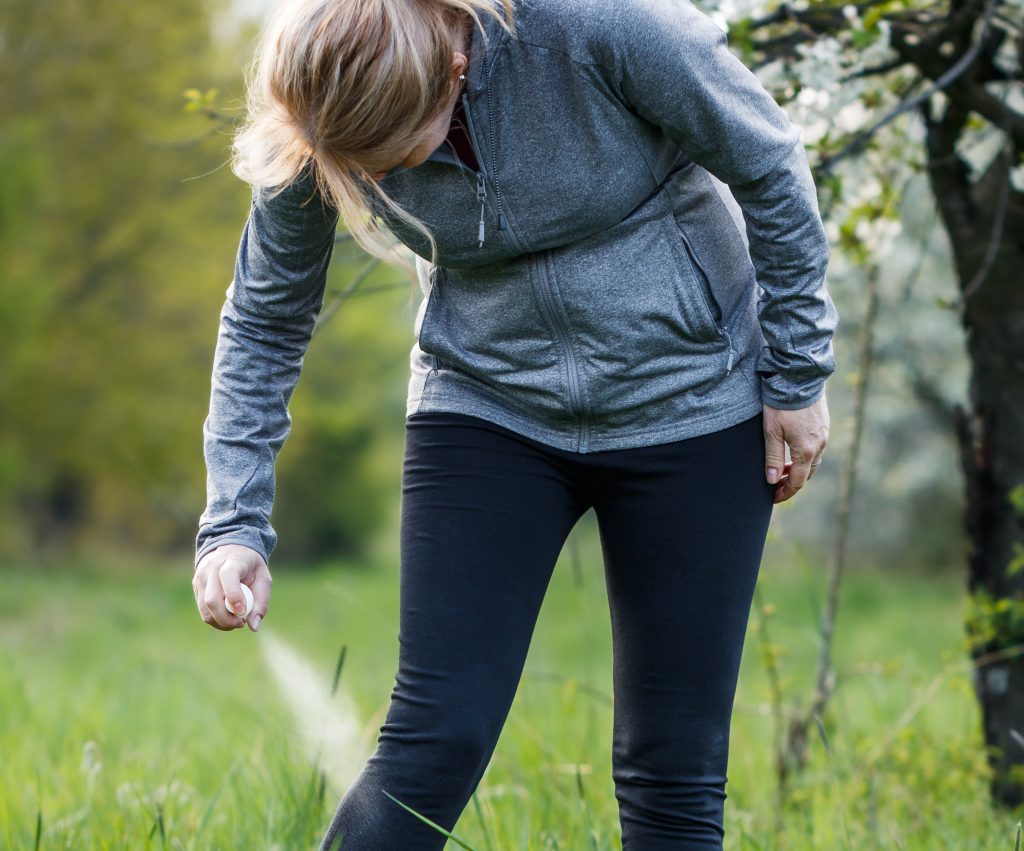
If you’ve spent any time navigating the world of tick‑borne disease, you already know this: people don’t always take steps to protect themselves, even when they live in high‑risk areas.
And for years, public‑health messaging has chalked that up to a simple explanation — people just don’t know enough.
But a new Cornell University study suggests something far more complicated is going on. And honestly, it’s about time someone asked.
Researchers reviewed more than 1,000 survey questions from 36 studies conducted across the U.S., Canada, and Europe.
These surveys are the backbone of many public‑health campaigns. They’re supposed to tell us what people understand about ticks, what they fear, and what they do to protect themselves.
Except, as the Cornell team found, they mostly tell us what people know — not what they do, and certainly not why they don’t do what they ought to.
Knowledge isn’t the problem — behavior is
Lead author Emily Mader put it bluntly: many surveys “measure things that don’t impact behavior.” In other words, we’ve been asking the wrong questions.
The review found that:
- Surveys overwhelmingly focused on risk perception — “Do you think ticks are dangerous?”
- Very few asked about barriers — “What makes prevention hard for you?”
- Only 11 questions out of more than 1,000 touched on “cues to action,” the reminders or social nudges that might actually change behavior.
If you’ve ever tried to get a teenager to use repellent, or a neighbor to do a tick check, you already know the truth: awareness doesn’t automatically lead to action. People skip prevention for all kinds of reasons — inconvenience, discomfort, cost, forgetfulness, or simply because no one around them is doing it.
Fear‑based messaging isn’t enough
The authors note that understanding the risk isn’t the same as believing prevention is doable or worthwhile. And that public‑health messages only work when they connect to something people care about — and when they come from trusted messengers.
That rings true for anyone who has watched tick‑borne disease spread while prevention campaigns stay stuck in the same loop: “Use repellent. Wear long pants. Do tick checks.” Good enough advice, but that alone doesn’t get the job done.
Better questions could lead to better outcomes
Tick‑borne illnesses continue to rise across the country. And yet, prevention behaviors remain stubbornly low.
The Cornell team isn’t calling for more surveys — just better ones. Surveys that ask:
- What gets in the way
- What motivates people
- What makes prevention feel realistic
- What support or reminders actually help
If we want people to protect themselves, we need to understand the real‑world decisions behind their actions. And that starts with asking better questions.
Click here to read the Cornell study.
TOUCHED BY LYME is written by Dorothy Kupcha Leland, President of LymeDisease.org. She is co-author of Finding Resilience: A Teen’s Journey Through Lyme Disease and of When Your Child Has Lyme Disease: A Parent’s Survival Guide. Contact her at dleland@lymedisease.org.



We invite you to comment on our Facebook page.
Visit LymeDisease.org Facebook Page