


PATHOBIOME PERSPECTIVES: New interview series premiers Nov. 11
The AlzPI and PCOM Symposium is an annual interdisciplinary event focused on exploring the role of infections and the microbiome in chronic neurological and psychiatric diseases, including Alzheimer’s, Parkinson’s, Lyme disease, long COVID, and more.
It brings together researchers, clinicians, patients, and advocates to share cutting-edge findings on infection-associated chronic illnesses (IACI).
Pathobiome Perspectives is a new interview series, recorded live at this year’s event by patient advocate Ali Moresco. It is produced in collaboration with LymeDisease.org and the Tick Boot Camp podcast.
By Ali Moresco
When I first got my positive Lyme disease test, I actually felt a sense of relief. I finally had proof that a) I wasn’t crazy, and b) it was something “treatable.” I literally cried tears of joy.
What I didn’t realize then was that there isn’t one single treatment that would cure my illness—and that my one positive test would turn into dozens over the next few years. Honestly, that might even be an understatement.
What I also didn’t know was that not all of my illnesses were tick-borne. Over time, I’ve come to describe what happened to me as a “web” of pathogens that made me sick, intertwined with how my body uniquely responded to them. Why is it that two people can be exposed to the same pathogens, yet one becomes chronically ill while the other barely reacts?
After almost 11 years as a tick-borne and infection-associated chronic illness patient, one truth has become crystal clear: the root cause of most illness and suffering is never just one thing. The body is interconnected, and so are the infections, toxins, and environmental triggers that disrupt it. I started to ask the question- was I the only one noticing this? That answer was: no!
This led me to the Pathobiome Research Center at the (PCOM), led by Founding Director Nikki Schultek.
Interconnected infections
The pathobiome framework challenges the idea of a single “bad actor” behind disease. Instead, it views illness as the result of an interconnected microbial ecosystem—bacteria, viruses, and fungi—interacting with one another, with the host, and with the surrounding environment.
By considering genetics, environmental exposures, and microbial relationships, it paints a more holistic picture of how disease develops.
“As a scientific, medical and advocacy community, we need to prioritize targeting upstream drivers of chronic neurological and psychiatric disease. Infections or the pathobiome are one plausible, known root-cause across human life from toddlers to advanced age. We are so thrilled to feature these physicians, scientists and advocates pioneering change and collaboration across research silos and across brain diseases. Patients and their families need us to focus on these issues. It’s time for transformative change,” Nikki Schultek, Founder Director of the Pathobiome Research Center at PCOM.
If I am asking why I am sick, I’m sure that you are too.
We need to bridge the gap between the patient community, the research community, and the provider community — giving everyone equal access to high-level information that can:
- Help patients heal and advocate more effectively to their doctors.
- Help providers better understand and treat their patients.
- Help researchers discover new avenues worth exploring.
Pathobiome Perspectives
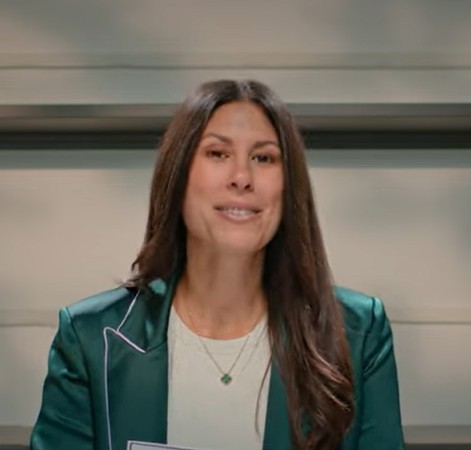
In the interview series Pathobiome Perspectives, I sit down with the world’s leading experts who are helping us piece together the complex puzzle of chronic and infectious illness. It premiers on November 11
Watch my introduction to it here:
Each researcher I sat down with at the AlzPI and PCOM Symposium highlighted emerging evidence connecting infection and inflammation to neurodegeneration and called for stronger collaboration across researchers in neurology, psychiatry, immunology, microbiology and infectious disease.
Here’s a sneak peek at some of the brilliant minds I spoke with:
- Yuri Kim, RN: Lead clinical research nurse for the MAESTRO study at MIT — the largest clinical study investigating infection-associated chronic illnesses (IACI), including long COVID and Lyme disease. Yuri’s work focuses on one of the most debilitating and poorly understood symptoms: brain fog.
- Dr. Sean Miller, PhD: Co-investigator in the Logan Lab at ENC with a primary appointment at Yale School of Medicine. He completed pre-doctoral work at Harvard Medical School, doctoral work at Johns Hopkins, and a postdoc at Stanford University. His expertise centers on neurodegeneration, neuroglia, and early diagnostic strategies.
- Dr. Brian Balin, PhD: Professor of Neuroscience and Neuropathology at PCOM and Director of the Center for Chronic Disorders of Aging (CCDA). A globally recognized expert in Alzheimer’s research, Dr. Balin has studied the links between infection and Alzheimer’s disease for over 25 years.
- And many more leading voices working to illuminate the complex web of IACI.
This project wouldn’t have been possible without the support and collaboration of Tick Boot Camp and LymeDisease.org, who share my passion for democratizing access to science. You can find Pathobiome Perspectives in podcast form on Tickbootcamp.com, and you can feel like you’re in the room with us by watching the interviews at Lymedisease.org.
New episodes of Pathobiome Perspectives will roll out every Tuesday night at 7:30 p.m. Central Time.
Pathobiome Perspectives was developed in collaboration with the Pathobiome Research Center at PCOM, led by Founding Director Nikki Schultek, and Director Dr. Brian Balin and the Center for Chronic Disorders of Aging (CCDA). This event was made possible through the joint support of these two PCOM Centers.
Ali Moresco is a tick-borne disease survivor, advocate, speaker and founder of Moresco PR, a healthcare communications firm. She also serves as Executive Board Chair of Project Lyme. You can connect with Ali on Instagram at @AliTMoresco or on YouTube.


We invite you to comment on our Facebook page.
Visit LymeDisease.org Facebook Page