






Science, stories, and solidarity: reflections from the ILADS annual conference
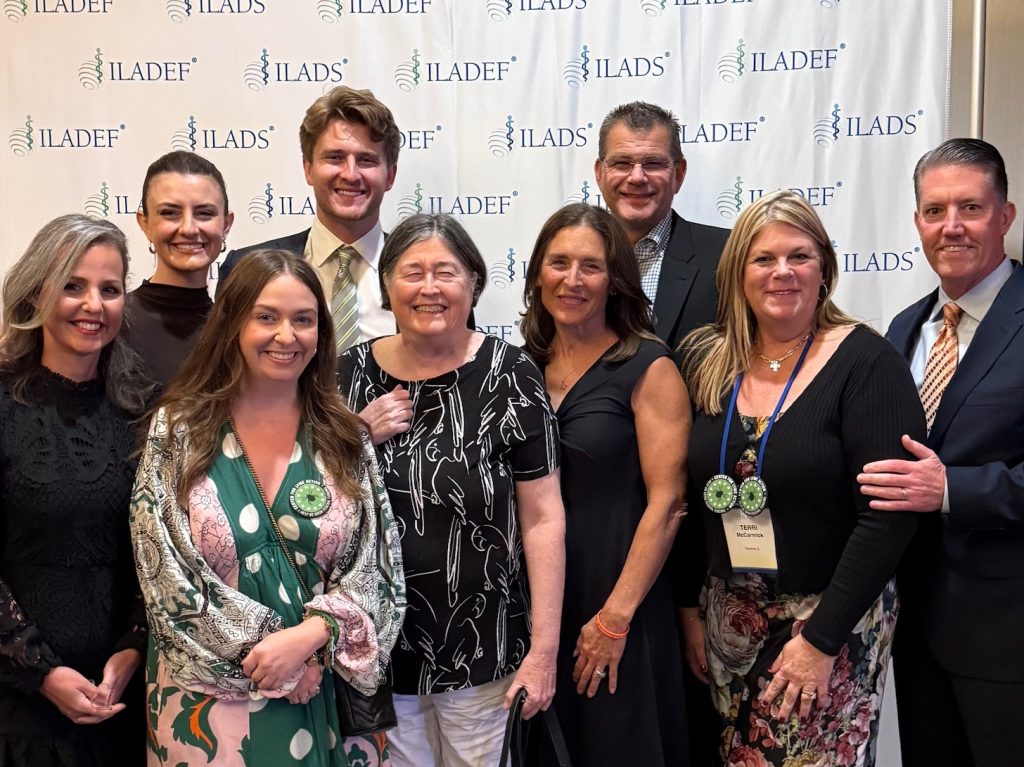
I recently returned from the International Lyme and Associated Diseases Society’s Annual Scientific Conference, held this year in San Antonio, Texas.
The event draws medical professionals, researchers, and advocates from around the globe, all united by a shared commitment to improving care for those affected by Lyme and other tick-borne diseases.
It was a dynamic and wide-ranging gathering—far too rich to capture fully in a single blog post—so I’ll simply share a few personal impressions.
As ILADS Executive Director Sarah Quillen explained, the conference’s core mission is to equip physicians with the latest diagnostic tools and treatment protocols, empowering them to better serve their patients.
Always seeking to help patients
I also spoke with Dr. Maria Marian, a naturopathic doctor from California, about why she returns to ILADS year after year. Her answer was simple: community, collaboration, and the constant pursuit of better outcomes for patients.
One of the most visible–and energetic–figures at the event was Rich Johannesen, co-host of the Tick Boot Camp Podcast. Stationed near the entrance, Rich conducted interviews nonstop—creating a dynamic thread running through the weekend. He spoke to me about the MyLymeData project, and then I turned the tables and asked him some questions as well.
Rich and his co-host Matt Sabatello have featured more than 600 guests since launching their podcast five years ago. Rich shared that the tone of the interviews has shifted over time—people now speak with more hope and confidence, sensing that real change is on the horizon.
Wide-ranging subject matter
The lectures covered an eclectic blend of topics—from the role of antifungals in immune-inflammatory disorders to the gut mycobiome’s link to autoimmunity, and to the use of SPECT imaging to identify causes of neuroinflammation.
There were sessions on chronic babesiosis, herbal treatments for Bartonella, and even helminth therapy—an emerging approach that uses parasitic worms to help regulate immune responses in autoimmune diseases. (Alas, I didn’t catch that session, so I can’t tell you anything more about it.) The diversity of content reflected ILADS’ commitment to exploring every possible avenue for healing tick-borne illness.
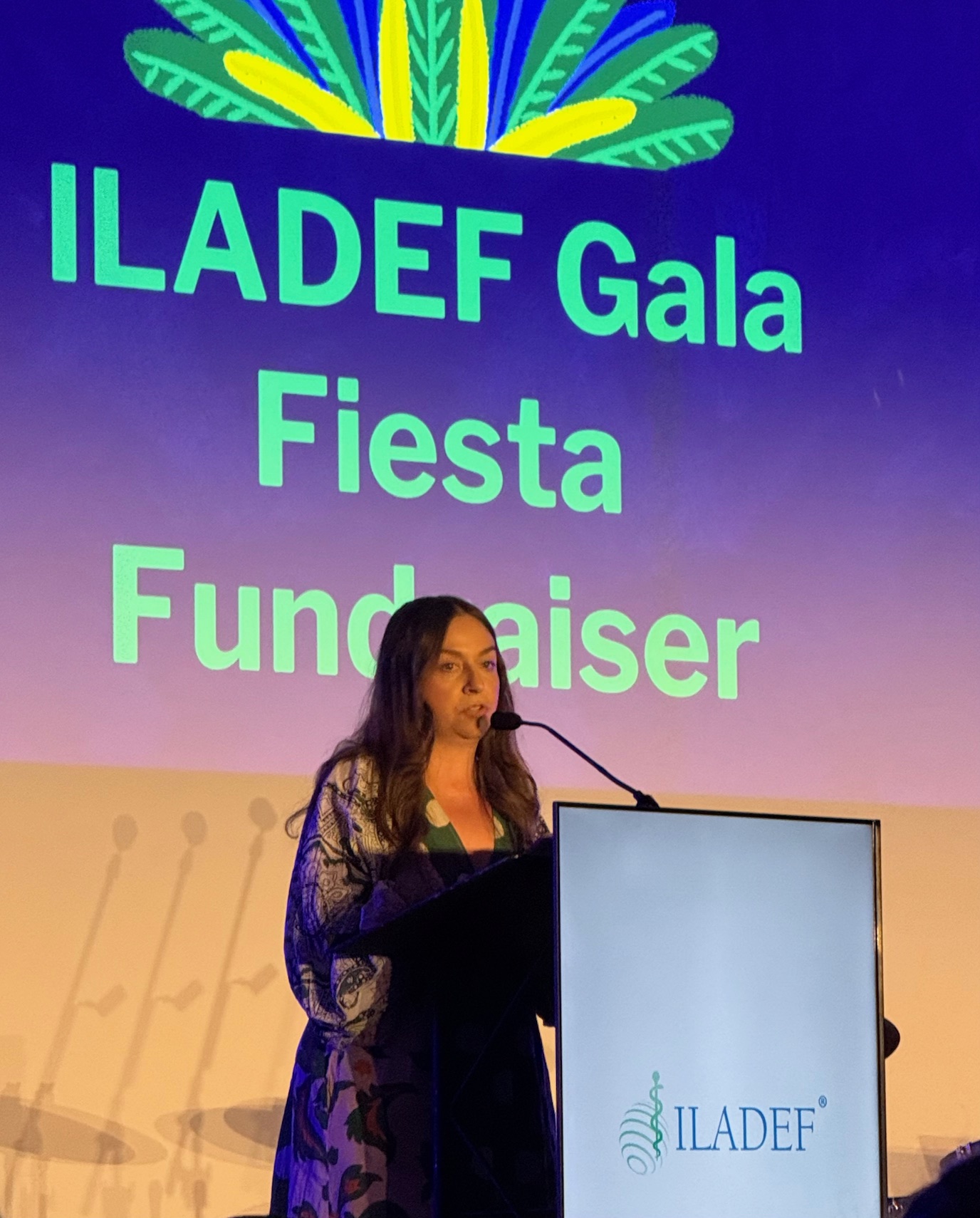
Meghan Bradshaw
On Saturday night, ILADEF—the educational foundation affiliated with ILADS—honored Dr. Sam Shor, who has served the Lyme community in many capacities over the years. The gala raised over $68,000 to help train doctors in treating tick-borne diseases.
The evening featured good food, entertainment, a lively auction, and a moving speech by patient Meghan Bradshaw, who now lobbies for increased federal funding for Lyme disease with the Center for Lyme Action.
Hardworking advocates
Another rewarding aspect of the weekend for me was the opportunity to connect—or reconnect—with incredibly talented and devoted advocates working to change the status quo so that people with Lyme can get the treatment they need to recover.
These individuals are often battling tick-borne disease themselves or caring for loved ones who are ill. Stay tuned for future blogs about the important work they are doing.
These are just a few glimpses into how the conference played out. I salute Sarah Quillen and the entire ILADS team for orchestrating such a powerful, multifaceted event. It was a weekend of science, stories, and solidarity—and I left feeling more hopeful than ever that progress is not only possible, but already underway.
TOUCHED BY LYME is written by Dorothy Kupcha Leland, President of LymeDisease.org. She is co-author of Finding Resilience: A Teen’s Journey Through Lyme Disease and of When Your Child Has Lyme Disease: A Parent’s Survival Guide. Contact her at dleland@lymedisease.org.


We invite you to comment on our Facebook page.
Visit LymeDisease.org Facebook Page