











A Hive of Hope: Beekeeping in Support of Lyme Patients

Kalisha Yankey faced enormous challenges while completing her undergraduate studies and starting a master’s program. For over a decade, she had struggled with undiagnosed Lyme disease and co-infections, enduring debilitating health issues without answers.
When she finally tested positive for Lyme disease, she recalls, “I found myself battling intense symptoms and navigating a new diagnosis all alone. I quickly found myself drowning beneath the waves of medical bills and conflicting information surrounding tick-borne illnesses.”
Her depleted savings left her unable to afford the treatment she desperately needed.
Fortunately, Kalisha received a grant from the LymeLight Foundation, enabling her to undergo treatment with a Lyme-literate medical doctor in her region. Today, her health has significantly improved, and she works as a clinical researcher in the Department of Molecular Physiology and Biophysics at Vanderbilt University.
Getting into beekeeping
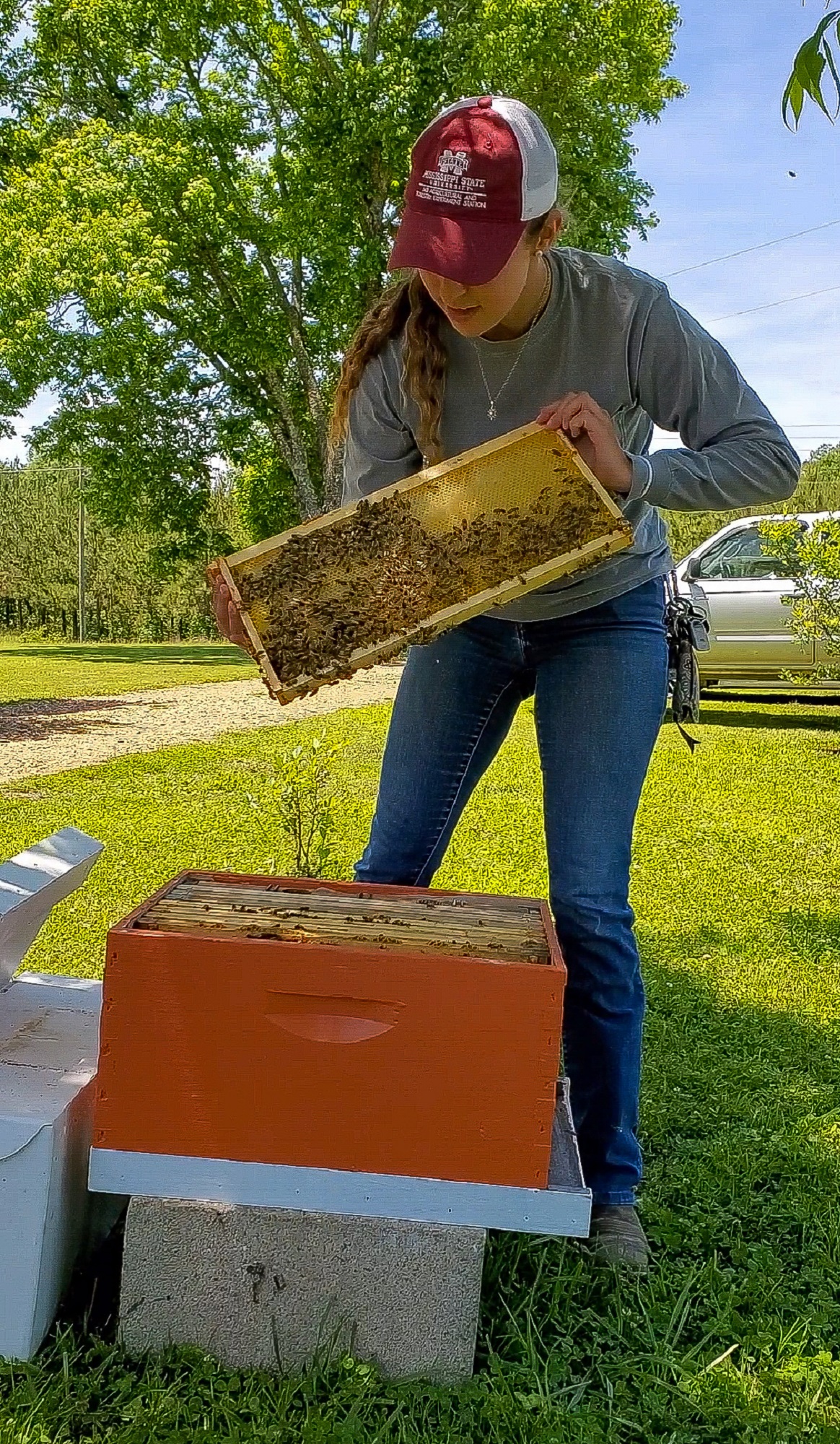 Outside of her professional work, Kalisha is a beekeeper, running her own business, Glory Bee Farms, in Lebanon, Tennessee. She also supports others by helping patients explore bee venom therapy (BVT) as an alternative treatment for Lyme disease.
“I started keeping bees because I was fascinated by them and how the hive operates,” Kalisha shares.
“The best way I can describe it is I’ve never felt as close to God as when I am out working bees. I am tuned in to their movement, their sound, everything. You can really see God’s intricate handiwork when you observe a colony of bees. Everything is meticulously thought out, right down to the geometric shape of comb cells. I got into beekeeping before I even knew that BVT was a thing.”
Honeybee venom has antifungal and antimicrobial properties, Kalisha explains, and contains a peptide called melittin, which breaks down Lyme biofilms. “Research has shown that melittin can be used in conjunction with existing antibiotic treatments to kill off more bacteria,” she says.
 As part of her mission, Kalisha offers bees to chronic illness sufferers in the Greater Nashville Area at no cost. “Anyone who can come and pick up their bees at my home bee yard in Wilson County is welcome to do so,” she says.
“I am also available to discuss bee husbandry to help patients maintain their bees for the duration of their protocol. Helping patients get their lives back with the help of these miraculous little creatures is one of the ways I can give back to my Lyme community.”
Resources for information about bee venom therapy
“The Bible of Bee Venom Therapy,” book by Dr. Bodock Beck.
Learn more about Kalisha Yankey’s work with bees and Glory Bee Farms on her Instagram page.
TOUCHED BY LYME is written by Dorothy Kupcha Leland, President of LymeDisease.org. She is co-author of Finding Resilience: A Teen’s Journey Through Lyme Disease and of When Your Child Has Lyme Disease: A Parent’s Survival Guide. Contact her at dleland@lymedisease.org.




We invite you to comment on our Facebook page.
Visit LymeDisease.org Facebook Page